
DOME
@domelipa
#1
YA SALIÓ MI PRIMER ÁLBUM 🩷"LA DEL ARROBA"🩷
- Volgers
- 75.2M
- Likes
- 5.3B
- Weerg.
- 760K
- Engag.
- 10.2%
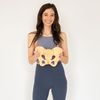
@bodyreadymethod
Pregnancy & birth education ✨ 10k+ supported Pregnancy, birth, PP programs ⤵️
Lindsay - Pregnancy Educator is een TikTok-creator met 10.4K volgers en 131.2K likes. De video's halen gemiddeld 39.9K weergaven, met een engagementpercentage van 3.5%. Meestgebruikte hashtags: #thirdtrimester, #birthsupport en #birthprofessional.
https://linktr.ee/bodyreadymethodGeschat tarief per gesponsorde post: $50 tot $250, uitgaand van ongeveer 5 tot 25 dollar per 1.000 volgers. Dit is een schatting op basis van bereik, geen gemeld inkomen.
Laatst bijgewerkt:

Prodromal labor is often the body's way of communicating a need for balance and space. I know how intense that waiting period can feel, for clients and for the birth pros supporting them. This is especially true when there's no real plan behind the movement. I made this for the client facing the induction talk simply because they are past their guess date. While no, there is no movement or "hack" in the world that will start labor until baby send the signal that they're ready (and believe me, it's better when baby is ready too!). If the reason for the hold up is space, balance, orientation, etc.... movement is a great "stack the cards in your favor" and "take the control of the controllables" thing to do! This practice helps with things like: - turning anxious waiting into a full, guided practice - releasing specific tissue that can inhibit a baby from dropping into the pelvis - giving your client a concrete plan instead of vague encouragement I call it my preinduction flow because SOOOOO many clients are getting threats (ick) of induction at the end of pregnancy and I wanted them to have something tangible to do and focus on. Why not use this time to encourage balance and space, right?! Comment INDUCTION below and I'll send it to you for free, along with a PDF for your clients. #birthprofessional #doulatraining #birthsupport #prodromallabor

When a baby is breech, one area I pay a LOT of attention to is the rib cage and diaphragm. The respiratory diaphragm attaches all around the lower rib cage. When the ribs can expand well, especially into the back and sides, that whole upper abdominal space has more movement and adaptability. But if someone is gripping through their abs, chest, or ribs, breathing mostly up into the chest, or has very little movement through the back ribs, that space can become much less yielding. Now think about where a breech baby’s head is. Baby’s head is bigger and more rigid than their bottom. Babies tend to settle in the position of greatest ease available to them. If there was less space lower down, that bigger head may have settled where there was more room higher up. But for that head to move DOWN toward the pelvis, it first needs enough room to lift away from the ribs, rotate, and move through the upper uterus. That’s why creating more posterior and lateral rib expansion can be such an important piece of the puzzle. And the cool part is that the diaphragm, rib cage, abdominal wall, and pelvic floor don’t function in isolation. Creating more expansion through the back body can also help the pelvic floor become more yielding, giving baby more options for movement below too! So we’re creating adaptability BOTH above and below baby. Of course breech tilts, inversions, balancing work and creating more ease through the uterus can all be valuable too. We teach those tools. But I don’t want us to forget about the space baby’s HEAD actually has to move through. Will this turn every breech baby? Nope. But even if baby stays breech, I still love this as preparation for an ECV, or external cephalic version, where a provider uses their hands on the outside of your belly to help guide baby head down. Sometimes helping baby move isn’t about trying harder to move the baby. It’s about giving baby more space to move within. #breechbaby #tranversebaby #thirdtrimester

Bouncing on the birth ball is not going to help engage baby. There's a big difference between putting pressure on the pelvis and moving the pelvis. On the ball, we want to explore how the pelvis can articulate with the femur, not just bounce up and down or get the appearance of big circles when actually the leg bone and the pelvis bone are kinda stuck together so the movement is actually coming from somewhere else. When we can get the pelvis to truly MOVE that is when the pelvis begins to shapeshift in a way that can encourage fetal engagement. Because it's not really about just making the top of the pelvis WIDER. It is more like trying to fit a puzzle into its shape.... you don't need a bigger shape, you need to move that piece around until it's oriented right to fit. Even the size of your ball matters. In early labor, we generally don't want the knees higher than the hips. Later in labor, that relationship can change depending on what we're trying to create. This is why we love teaching the WHY behind birth prep. What is this position doing? What is this movement creating? How does it relate to what's happening in the pelvis? When you understand the mechanics, you can make much more intentional choices with your body during labor, which is why we created a program around this! Here I am teaching the L&D nurses of the future all about biomechanics of birth positions... how is this not something standard in birth professional education?! Let's change that. And in the meantime we are also teaching YOU how to understand your own body's movements throughout this journey and prepare to access them while in your labor flow state and intuitively moving through this process. THIS CAN BE TRAINED!! Head to the link in my my bio for access to my free birth prep workout class. #birthprep #birthball #expecting
Op 2026-10-12 heeft Lindsay - Pregnancy Educator (@bodyreadymethod) 10.4K TikTok-volgers.
YA SALIÓ MI PRIMER ÁLBUM 🩷"LA DEL ARROBA"🩷
Aquí mi nuevo canal👇🏻 💥EL ELEMENTO WOW💥
dime Ro Contreras. 📩: rod@opemagencyec.com
📍 📩publiruben18@gmail.com Management: @Zas Talents
La Mansión VIP estará disponible este 12 de Abril en mi canal de YouTube: HotSpanish Vlogs…
Cinnamont🩵 @SKYE
💌itsmich@esgency.com


