
Khabane lame
@khaby.lame
#1
Se vuoi ridere sei nel posto giusto😎 If u wanna laugh u r in the right place😎
- Abonnés
- 163M
- J'aime
- 2.7B
- Vues
- 26.4M
- Engag.
- 1.2%
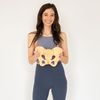
@bodyreadymethod
Pregnancy & birth education ✨ 10k+ supported Pregnancy, birth, PP programs ⤵️
Lindsay - Pregnancy Educator est un créateur TikTok, avec 10.4K abonnés et 131.3K j'aime. Ses vidéos cumulent en moyenne 40K vues, pour un taux d'engagement de 3.5%. Hashtags les plus utilisés: #birthsupport, #thirdtrimester et #childbirtheducation.
https://linktr.ee/bodyreadymethodTarif estimé par publication sponsorisée: de $50 à $250, sur la base d'environ 5 à 25 $ pour 1 000 abonnés. C'est une estimation à partir de la taille de l'audience, pas un revenu déclaré.
Dernière mise à jour:
Dernière vidéo: 2026-10-10

In honor of Valentine’s Day, here’s a partner move to have ready for the big day 💕 I love these moves not just for the amazing release they provide. But also for the connection they foster. Partners often feel confused and overwhelmed with how to support. Practice simple but profoundly impactful moves together with Body Ready Birth! Good birth partners want to support you, but they’ve never done this before! But let me tell you a secret, they have something that your Doula and nurse cannot replace (doulas and nurses are important for other reasons). They have love and affection for you that fosters connection, that in turn fosters oxytocin release which facilitates a more easeful birth. So do not discount the power of a connected and supportive birth partner. Not sure if they’re ready? Learn together with our body ready birth program. If you’re expecting, what do you hope your partner can help with for your upcoming birth? Let’s get some ideas going for each other! #birthpartner #birthsupport #birthteam #birthplan #laborprep #laborsupport

Over a decade ago, I was at a long, challenging homebirth transfer birth. This incredible mom was pushing REALLY HARD for hours. I was a new-ish doula, but also an experienced Exercise Physiologist and biomechanics nerd. I asked if I could try something different. I helped my client (who was kneeling- yes with an epidural!!) bring her ankles wider than her knees (aka internal hip rotation). This created more space side to side in the bottom of her pelvis (the pelvic outlet). And guess what? After 3 pushes her baby came out vaginally and cesarean was called off! 👏 Then I put my Exercise Science hat back on and thought to myself: “how could we have prevented that long, intense pushing phase?” The answer? By practicing and gaining access to internal hip rotation IN PREGNANCY. We can and should be both proactive AND reactive. Train this move in pregnancy. Have it in your back pocket for labor just in case. #internalrotation #exercisephysiology #birthphysiology #physiologicalbirth #bodyreadymethod

I don’t think you should need to go to a PT, birth educator, or other pro to learn the “correct” way to push your baby out. Pelvic PT and birth education is incredibly valuable, but I don’t think either role should teach someone there is one “right” way to push. There may be a time and place for someone who chooses it to use individualized or internal feedback to explore what their pelvic floor is doing when they push. That’s different from making it standard practice or implying everyone needs to be taught how to push correctly. Pushing is far too complex and responsive to be reduced to one technique anyway. How someone pushes may change depending on the baby’s position, pelvic position, responsiveness of the pelvic floor, and what is happening in that moment. Even something as ordinary as a bowel movement doesn’t require the same strategy every time! When we teach people there is one “right” way to push, even in the wellness, pelvic health, or physiological birth world, we can recreate the very problem we’re trying to solve: outsourcing embodiment to another professional. The whole point should be helping someone trust, understand, and inhabit their own body more deeply, not perform birth correctly. What I care much more about is preparing the conditions that allow the body to respond well. Can we proactively support the conditions that allow the pelvic floor to yield for birth? Can we improve balance and space so baby finds the most optimal position? Can we support better movement options during the birth itself (like... get out of externally rotated legs and lithotomy for starters?) Can we support safety to encourage yield vs resistance? Physiological birth should create the conditions for an intelligent system to do what it already knows how to do. That's why I like to physiologically prime the body vs teaching someone the right way to push. What do you think? #birthtechniques #birthpositions #doulas #obgyns #pelvicfloorpt
Au 2026-10-13, Lindsay - Pregnancy Educator (@bodyreadymethod) compte 10.4K abonnés sur TikTok.
Se vuoi ridere sei nel posto giusto😎 If u wanna laugh u r in the right place😎
orca enthusiast meg thee stallion fan i post on youtube on saturdays (for the most part)
Your next discovery is waiting on TikTok.
Picnic At The Cemetery
Bringing a little more wonder into the world, 15 seconds at a time
Hola linduras ✨ Únete al grupo 👇🏻
CEO of #RockTok Life's so much sweeter when you're not an asshole


